
No Products
 View larger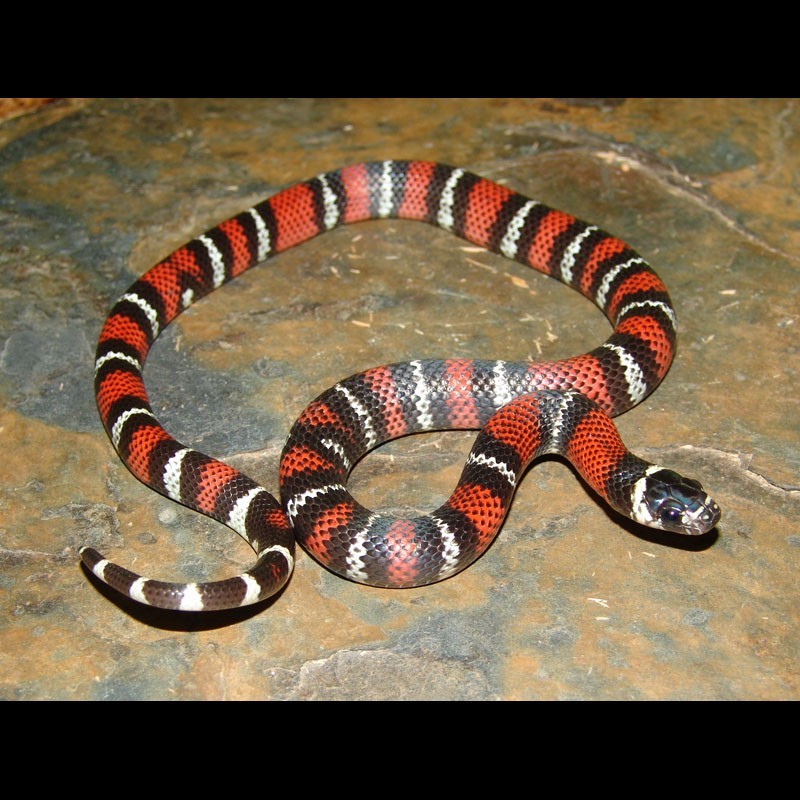
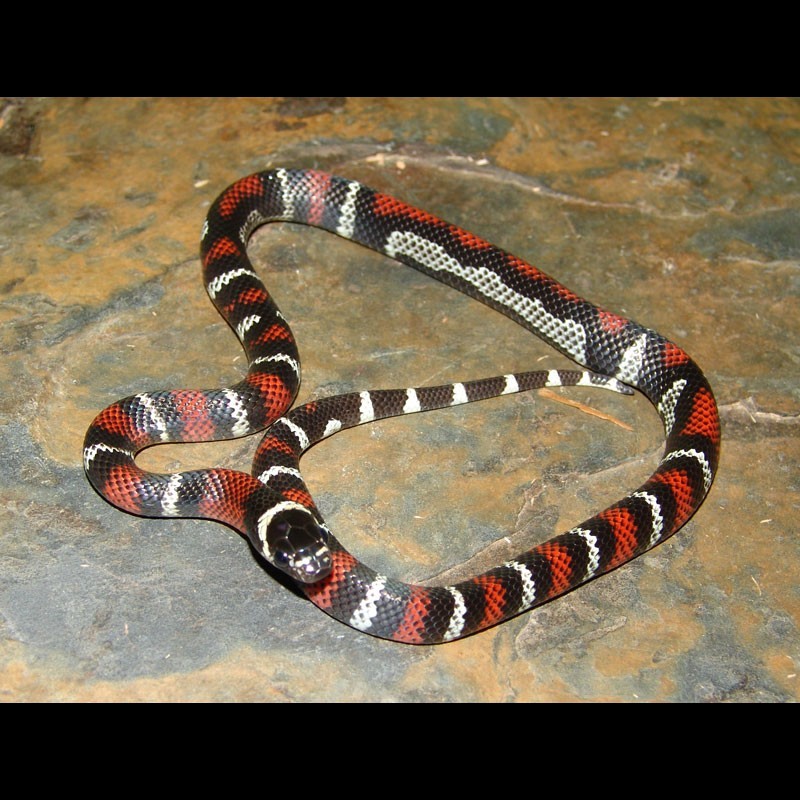
Black Milk Snakes (Babies)
Black Milk Snakes (Lampropeltis triangulum gaigeae)
This product is currently out of stock
More Info
The Black Milk Snake (Lampropeltis triangulum gaigeae) is a subspecies of Milk Snake. It is the largest known Milk Snake.
Description
Hatchlings Black Milk Snakes are between 12 and 16 inches in length. They are red, black, and white or yellow as hatchlings. When they are between 6 and 10 months of age, the Black Milk Snakes will begin to change colors, and start to turn black as they grow to adulthood. Adult Black Milk Snakes average between 48 - 76 inches (4 feet - 6 feet 4 inches), but some have been known to grow up to 7 feet in length. Males tend to be longer than females.
Range
Black Milk Snakes are native to Costa Rica and Panama. They typically live in the wet, high mountain cloud forests at elevations between 5000 and 7400 feet in Costa Rica, and 4300 - 6500 feet in Panama.
Diet
Black Milk Snakes typically eat mice, reptiles, amphibians, invertebrates, reptile eggs, birds, and bird eggs in the wild.
In Captivity
Black Milk Snakes can make excellent pets for many people. They are typically very hardy snakes in captivity. As hatchlings they will readily accept mice, and as adults may consume medium sized rats. Since they dwell in high elevations in the wild, they do well with their temperatures between 72 and 78 degrees Fahrenheit. If they are kept at temperatures between 80 - 85 degrees, they metabolize their food much more quickly than other colubrids, and can become overweight very easily.